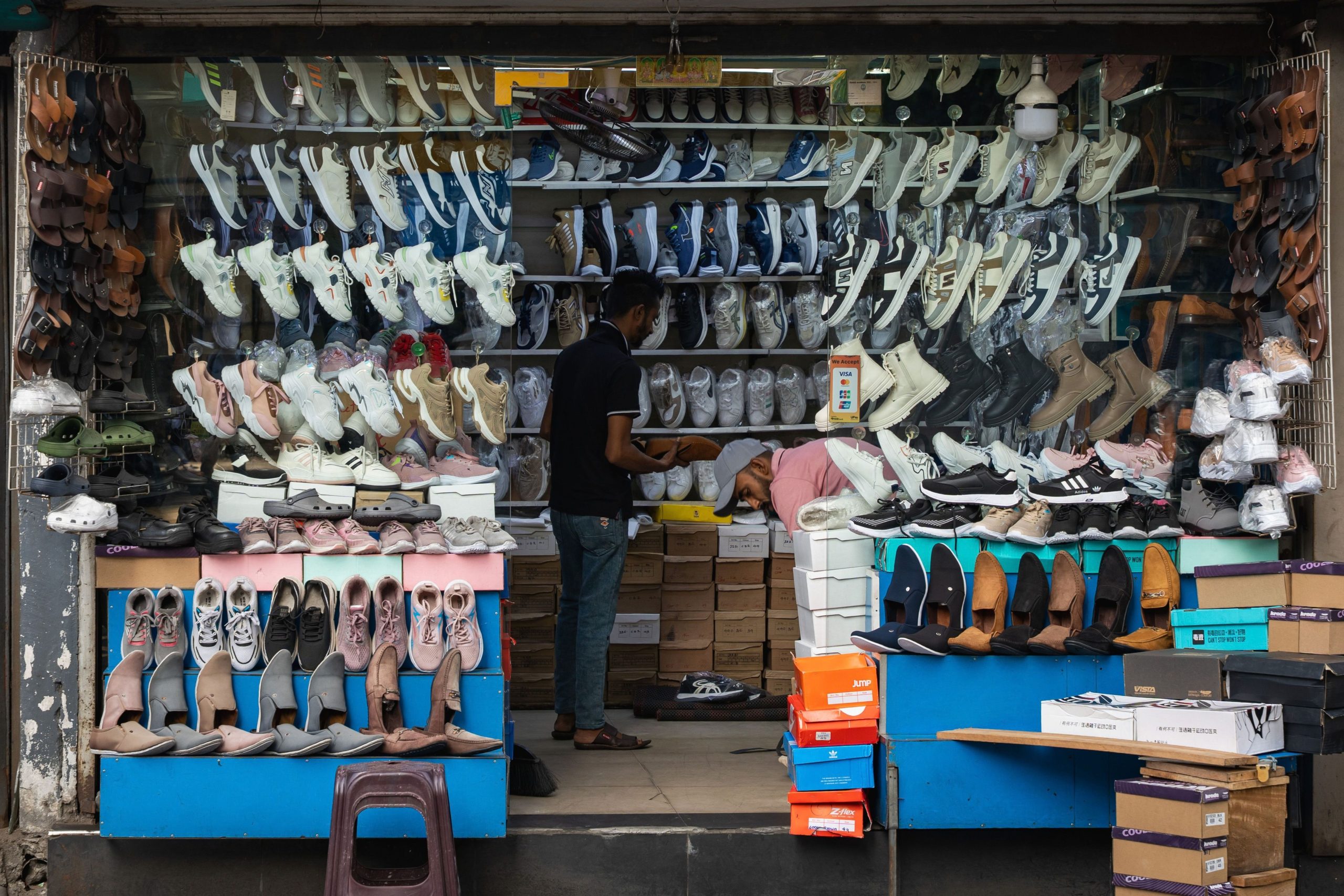
Walk into most shoe stores in late June and the shelves tell the same story: too many size 8s, not enough 10.5s, and a backroom of spring inventory that needs to move before fall. A summer sale should fix that. But footwear doesn’t sell like t-shirts. People try shoes on. They think about arch support and whether a sneaker works for a 5K or just for walking the dog. The marketing has to work harder than a generic “30% off everything” banner, and this guide shows shoe retailers how.
How Do You Market a Shoe Store’s Summer Sale?
Build one central hub for the sale, then push traffic to it from every channel you have, leaning into what makes footwear shopping different from clothing shopping.
1. Build an Event Landing Page as the Foundation
Every other tactic here should point back to a single page. Don’t just post a sale date on Instagram and call it done. A landing page lists which categories are included (running shoes, back-to-school kids’ shoes, sandals) and gives people a reason to click instead of scroll past. It’s also where you collect RSVPs, more on that shortly. The page is what makes the sale feel real.
2. Promote the Sale on Social Media, Shoe by Shoe
Generic “sale is on” posts get scrolled past. Footwear content that performs tends to be specific: a reel comparing a trail runner to a road runner, a quick try-on haul of new colorways. Sneaker culture already lives on social media, so a post that feels like a recommendation, not an ad, wins. Post sizing updates as items sell down. Scarcity moves shoe shoppers who don’t want to miss their size.
3. Design Flyers and Banners That Stop Foot Traffic
A parent glancing at your window sign decides in about two seconds whether to walk in. Make the design specific: a bold shot of the shoe itself, not a clothing rack stock photo, paired with the actual deal. “Up to 40% Off Running Shoes and Sandals” beats “Summer Sale” every time. If design isn’t your strength, ready-made sale templates save real time.
4. Run Limited-Time Deals Timed to the Calendar
Footwear already has a sale calendar built in: late June through August overlaps with back-to-school shopping, which the National Retail Federation has repeatedly found ranks among families’ top fall spending categories. A three-day flash sale on kids’ shoes in early August, or a weekend doorbuster tied to a local race, matches when people are already thinking about shoes. Limited windows push the “I’ll come back for it” crowd to act now.
5. Partner With Local Run Clubs and Nearby Businesses
Where do serious runners get shoe advice? Usually from training partners, not ads. Few categories have that kind of built-in community. Offer the local run club or cross-country team a discount code, or host a shakeout run from your store. Pair it with a nearby coffee shop or gym and reach people already primed to spend on gear.
6. Drive RSVPs for Early-Bird Access
Get people to register through your landing page for early entry, first pick of sizes, or a preview discount. This matters more in footwear than most categories, since popular sizes sell out fast. Once someone RSVPs, send a short reminder sequence. I’ve built confirmation emails using PosterMyWall’s sale email templates before, and a well-timed reminder often gets someone in the car.
7. Host a Trade-In or Fit-Check Event
Picture a bin by the register labeled “Trade In Your Old Kicks.” Offer a discount to anyone who brings in a worn pair during the sale window, and add a fit-check station where staff measure feet and explain what mileage does to cushioning. Running retailers generally cite 300 to 500 miles as when support breaks down. It turns a transaction into an event worth showing up for.
Frequently Asked Questions (FAQs)
1. How far in advance should I start marketing a shoe store’s summer sale?
Two to three weeks minimum. Parents shopping for back-to-school plan ahead, and an early landing page gives your RSVP list time to build before the doors open.
2. What’s the biggest marketing mistake shoe stores make with summer sales?
Treating it like a generic clothing sale. Sizing and fit matter enormously to shoe shoppers, so vague messaging underperforms specific promotion. I’ve found PosterMyWall genuinely useful for producing that messaging quickly across flyers, social posts, and the landing page, without hiring a designer for every asset.
3. Do influencer partnerships work for a small shoe store?
Yes, but local beats big. A run club leader or a high school coach with a modest, engaged following usually drives more foot traffic than a large influencer with no local ties.
Sell Through Every Size This Summer
A shoe store’s summer sale works when the marketing respects fit, sizing, and the try-on experience. Start with the landing page, then layer in social content, flyers, timed deals, local partnerships, RSVPs, and a trade-in event. When you’re ready to build the assets, those same sale templates can carry you from the first teaser post to the final flyer.